





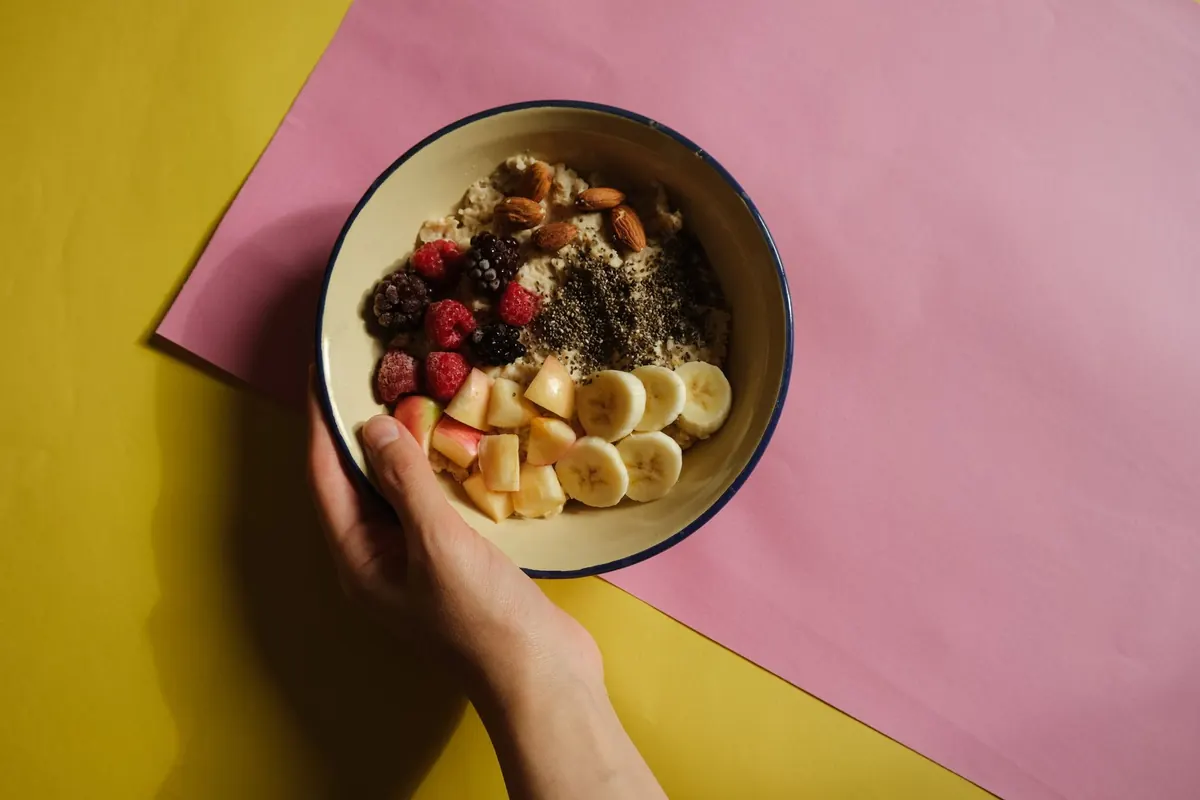
You have the shoes on, the playlist queued, and fourteen minutes before you need to leave. Now you're standing at the fridge wondering whether a banana counts as lunch — or whether eating anything at all will leave you doubled over during your warm-up.
Pre-workout nutrition isn't complicated, but it is personal. The right choice depends on when you train, how long you'll go, and what you're trying to accomplish. Get the basics right and you'll feel it in your last few reps. Get them wrong and you'll spend the first ten minutes of your session tasting your lunch twice.
Timing Matters More Than the Menu
When you eat, blood flows toward your digestive tract. When you train, your body redirects much of that blood to your working muscles. Eat a heavy meal too close to a hard session and you're asking your gut to compete with your legs — which is where most cramping, bloating and nausea comes from. Here's how the windows usually shake out:
- Three to four hours out: a full meal with a starch, a protein and some vegetables. This is your best chance to eat a normal, balanced plate.
- One to two hours out: a smaller meal with less fat and fiber. Think rice with chicken and a little sauce, or a turkey sandwich on white bread.
- Thirty to sixty minutes out: a light, mostly carbohydrate snack. A banana, a rice cake with jam, a small bowl of oatmeal, or a handful of pretzels.
- Under thirty minutes: nothing, or a few bites of something quick and easy on the stomach. A date or two, a few sips of a sports drink, half a banana.
The real rule is simpler than the chart: pick a window you can repeat three or four times a week. Consistency beats precision every time, and the day you test something new should not be the day it matters most.
What Each Macronutrient Does Before Training
Carbohydrates
This is the macronutrient that actually fuels hard work. Your body stores carbohydrate as glycogen in muscle and liver, and higher-intensity training burns through it. A pre-workout snack with roughly 20 to 40 grams of easy-to-digest carbohydrate — a banana, a slice of toast with honey, a small bowl of oats — is a sensible starting point for many people training for an hour or less. Longer sessions call for more, and some of it during the workout too.
Choose foods that break down quickly near your session: white rice, bread, oats, potatoes, fruit, juice. Save the lentils and bran cereal for a meal several hours away.
Protein
Protein does very little for performance in the moment, but a modest serving — around 15 to 25 grams — before training helps you hit your daily total and can blunt hunger during long sessions. Greek yogurt, a scoop of protein powder in a smoothie, a couple of eggs, or a small portion of chicken all work. Keep it moderate close to training; a double protein shake twenty minutes before squats rarely ends well.
Fat and Fiber
Both slow digestion, which is exactly what you don't want in the hour before hard exercise. They belong in the meal three to four hours out, where they keep you full and steady your blood sugar. Save the avocado, cheese, nuts, beans and big salads for later in the day.
Pre-Workout Ideas by Goal
Strength and Power Training
Give yourself 60 to 90 minutes and eat a real snack: oatmeal with a banana and a spoonful of Greek yogurt, or white rice with a little chicken and honey. If you lift first thing in the morning, a piece of toast with jam and a few sips of coffee is often enough to take the edge off.
Endurance and Long Cardio
Carbohydrate is the priority. A bagel with jam, a bowl of rice with a little maple syrup, or a banana and a small sports drink two hours out works well for most people. If you're going past 90 minutes, plan to take in more carbohydrate during the session, not just before it.
Fat Loss and Short Sessions
You don't need a pre-workout meal for a 30-minute session you can do comfortably. If you're hungry, eat something small — an apple, a few crackers — and get on with it. Skipping food before every workout, though, tends to backfire: low energy means weaker sessions, and weaker sessions make progress harder to see.
Early Morning Training
Nobody wants to chew at 5:30 a.m. Two workable options: eat a small, quick carbohydrate snack 20 to 30 minutes before you leave, or train on an empty stomach if your session is short and moderate, then eat a proper breakfast within an hour afterward. Try both for a week and see which one leaves you training better.
Hydration and Caffeine, Briefly
Dehydration makes everything feel heavier. A rough gauge: pale yellow urine most of the day. Drink a glass or two of water in the hour or two before training, then sip during. If you sweat heavily or train in heat, add electrolytes.
Caffeine is a genuinely useful pre-workout for many people. A normal cup of coffee 30 to 45 minutes before training is plenty; more doesn't mean better, and a late-afternoon dose will cost you sleep, which costs you far more than the caffeine gains you. Skip it if you have a heart condition, anxiety, or a sensitivity — and check with your doctor if you're unsure.
Five Mistakes That Undo a Good Meal
- Eating something brand new on a big training day, or before a race.
- Loading up on fat and fiber an hour before a hard session.
- Going in fully fasted for heavy lifting and wondering why the bar feels glued to the floor.
- Drinking a giant smoothie ten minutes before you start moving.
- Relying on powders and pills while ignoring ordinary food.
Put It Into Practice
Start with one change. Pick your usual training time, choose a snack that lands 60 to 90 minutes before it, and build it from three parts: a carbohydrate base, a small amount of protein, and almost no fat or fiber. Bananas, rice cakes, applesauce pouches, granola bars and pretzels are the kind of thing worth keeping in your gym bag or car so you're never stuck deciding.
Then keep a two-line note after each session: what you ate and how you felt. After a couple of weeks you'll have a short list of meals that work for you — which is more useful than any rule written by someone else.
One caveat worth stating plainly: if you have diabetes, a digestive condition, a history of disordered eating, or a medical issue that affects what you eat, get individual guidance from a registered dietitian or your doctor before changing your routine. General advice is a starting point, not a prescription.
Photo: Beyzaa Yurtkuran / Pexels