



You finished the last set feeling strong. Twenty-four hours later, the stairs are a negotiation. Soreness after a hard or unfamiliar workout is normal: it tends to arrive a day or two later, peak, then fade. Nothing here will make it vanish by morning, but the right habits can dial the ache down and get you back to training without a week of hobbling.
Think of this as a checklist, not a lecture. Pick the two habits you're worst at, run them for a week, then add another.
1. Sleep Is the Foundation
Muscle repair leans heavily on sleep. Cut it short and you're asking your body to rebuild with one hand tied behind its back. You don't need a perfect routine, just a consistent one — a fixed wake-up time does more for sleep quality than an ambitious bedtime you never hit.
Protect the hour before bed. Dim the lights, put the phone across the room, keep the room cool. If you train in the evening, give your nervous system a landing strip: a warm shower, slow breathing, or ten minutes of easy stretching.
If soreness wakes you up
Prop the sore limb on a pillow and resist the urge to test it every time you roll over. A dull ache that fades is normal. Sharp pain, or pain that keeps you awake night after night, deserves a conversation with a doctor rather than another round of painkillers.
2. Drink Before You Feel Parched
Dehydration makes soreness feel sharper than it is and slows the delivery of nutrients to working muscles. Thirst is a late signal, especially in a cool gym where you barely notice how much you've sweated.
Keep a bottle within reach all day, not just during training. Drink a glass with every meal and another when you refill your coffee. Urine should be pale yellow, not apple-juice dark. After a sweaty session, sip steadily over the next few hours rather than chugging one litre at once.
When water isn't enough
Sessions over an hour, hot weather, and heavy sweating call for sodium. If your skin or clothes feel gritty with salt afterwards, or you get headaches and lightheadedness, add an electrolyte drink or a pinch of salt and lemon to your water. If you have heart or kidney conditions, or take medication that affects fluid balance, check with a clinician first.
3. Protein and Carbs, Together
Protein supplies the amino acids your muscles use to repair; carbohydrates refill the glycogen you burned and limit muscle breakdown. Eat them together within a couple of hours of training. Total daily intake matters more than exact timing, so don't panic if the shake lands later than planned.
Simple combinations: Greek yogurt with berries, chicken or tofu with rice and vegetables, eggs on toast, a tuna sandwich, or chocolate milk if you're rushing. A palm-sized serving of protein at each meal, with carbs sized to how hard you trained, covers most people well.
What slows recovery down
- Heavy drinking within a day of a hard session — it disrupts sleep and blunts repair.
- Under-eating protein over several days. Soreness lingers when the raw materials are missing.
- Routinely taking painkillers to train through soreness. Masking pain isn't recovery; if you need them often, talk to a pharmacist or doctor.
4. Move Easy, Then Stretch
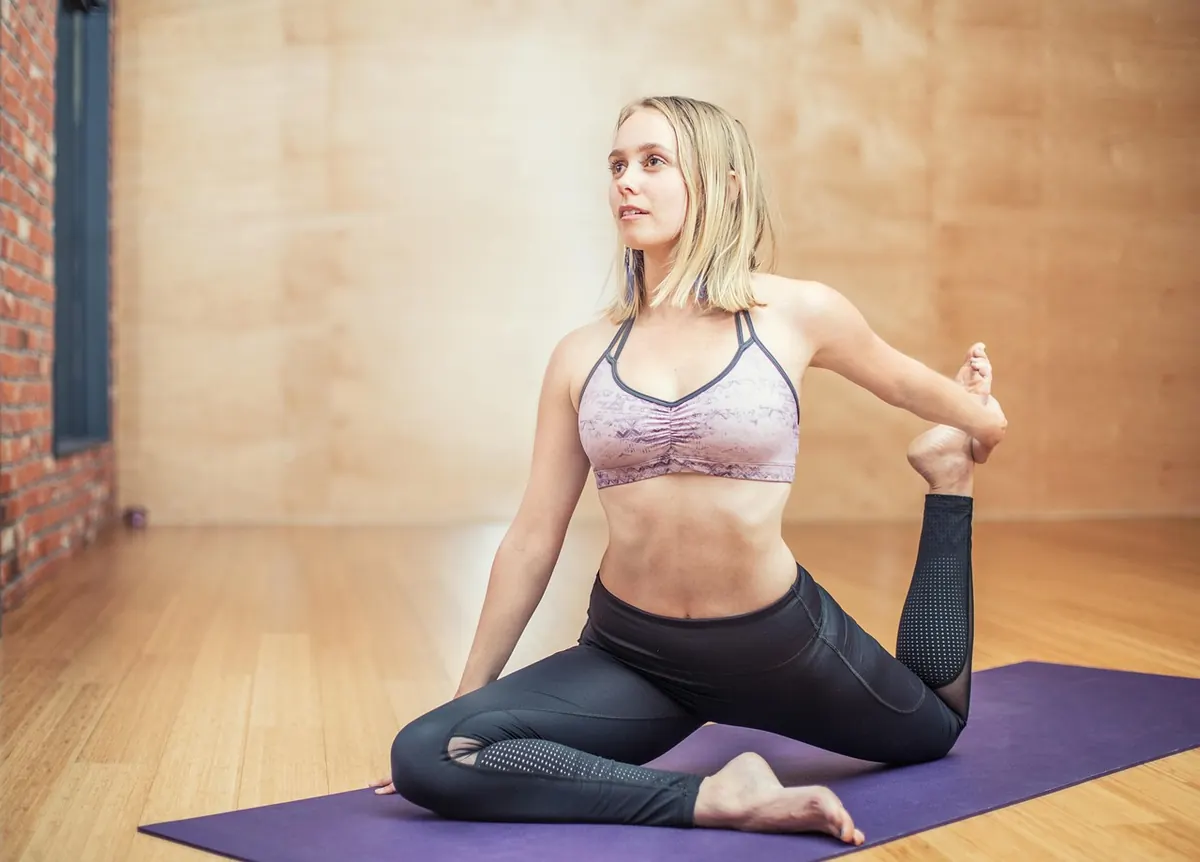
Complete rest feels right when you're stiff, but gentle movement usually helps more. Easy walking, a spin on the bike, a slow swim, or a mobility flow for 10 to 20 minutes increases circulation and eases stiffness. Keep it genuinely easy — this is not a second workout.
Stretch gently and unhurried. Hold each position 20 to 30 seconds, stopping at the edge of tension rather than pushing into pain; forcing a sore muscle can leave you sorer.
Foam rolling without the drama
Roll slowly over an area for a minute or two, breathing normally, and back off anything that makes you tense up. A tennis or lacrosse ball works well for glutes and upper back. Roll when you're warm — after training, after a shower, or on a rest day.
5. Heat, Cold, and Compression
These are comfort tools, not magic. Warmth — a hot bath, a heating pad — relaxes tight muscles. Cold suits a specific, newly irritated area like an angry knee or a rolled ankle in the first day or two. Some people alternate the two; if it feels good, it's probably fine.
Compression sleeves can reduce swelling and make movement feel less intimidating. A massage helps mostly by relaxing you and shifting fluid around. Two cautions: skip intense heat if you have nerve damage or poor circulation, and if a joint is genuinely injured, get it assessed instead of self-treating for weeks.
Your 48-Hour Recovery Checklist
Run through this after any session that leaves you wrecked.
- First hour: Fluids with electrolytes if you sweated heavily, a meal or snack with protein and carbs, and five quiet minutes to cool down.
- That evening: Ten minutes of easy movement or stretching, a warm shower, and lights out at your usual time.
- Next morning: Water before coffee, a protein-rich breakfast, and a 20-minute walk. Movement beats lying still.
- Day two: Regular meals, steady fluids, light mobility work on the sorest areas.
- If it isn't improving: Severe swelling, pain that sharpens instead of fading, dark urine, or soreness lasting beyond about a week all warrant a call to a healthcare professional.
Make It Stick
Recovery habits work like training: small, repeated, unglamorous. Choose the one you're worst at, usually sleep or hydration, and treat it as part of the programme rather than something you'll get to later. Keep a bottle on your desk, set a wind-down alarm, prep lunch the night before.
Soreness is the bill for a hard session. Sleep, food, and water are how you pay it.
Give it two weeks. You'll still feel the workouts, but you'll spend less of the following day negotiating with the stairs — and you'll show up to the next session ready instead of dreading it.
Photo: lograstudio / Pixabay