


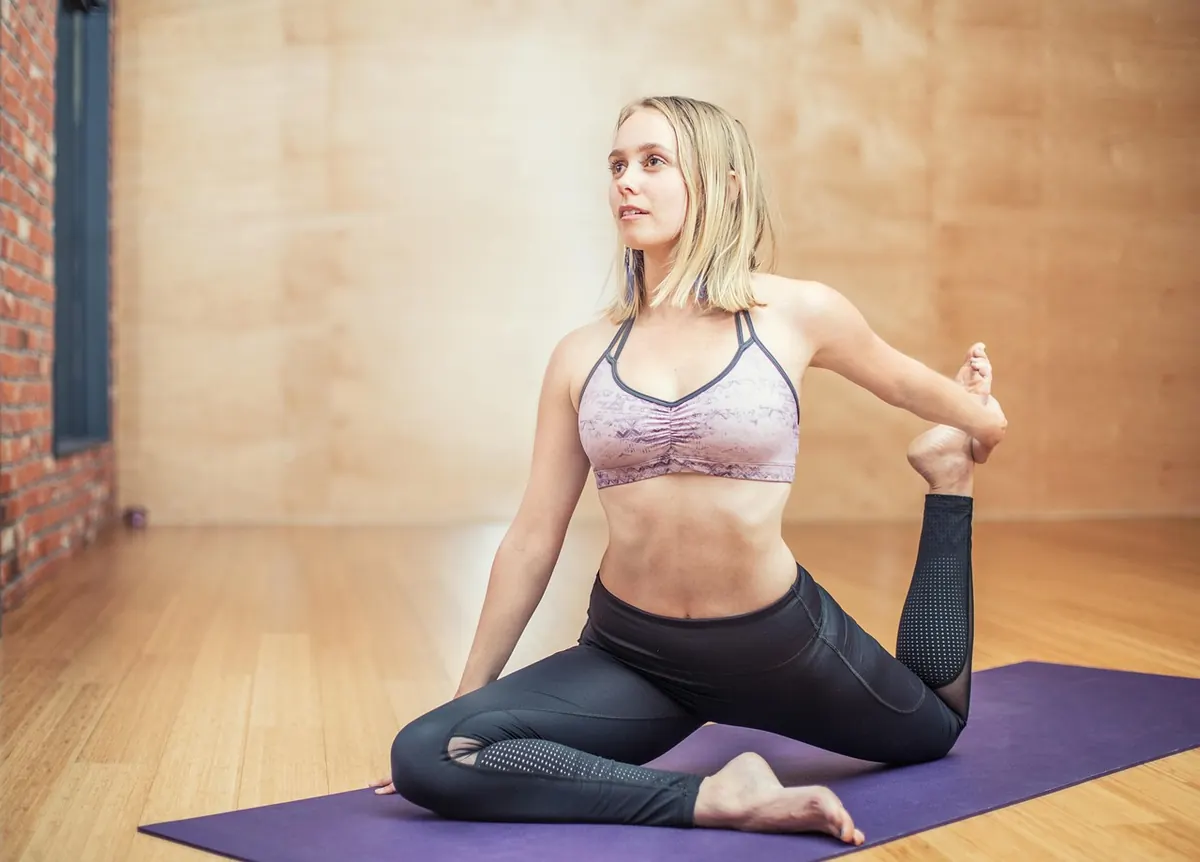



Most people who set out to exercise in the morning don't quit because they lack motivation. They quit because the plan doesn't fit the time they actually have. Fifteen minutes, done most mornings, is enough to build the habit first and the fitness second. The routine below needs no equipment, no gym, and no experience — just a patch of floor and a timer.
Why Fifteen Minutes Is Enough
Short sessions work because you'll repeat them. A 45-minute workout you skip four days out of five does less for you than fifteen minutes you actually finish. Mornings have another advantage: fewer things have gone wrong yet. No meeting ran late, no one texted about dinner. You train before the day starts negotiating with you.
General physical activity guidance usually lands around 150 minutes of moderate movement a week, plus strength work a couple of times a week. Three or four of these circuits, plus a walk on the other days, puts you in that territory.
There's a simpler reason mornings suit beginners. Moving early loosens the stiffness that builds overnight, and most people feel more awake afterward than they do after a second cup of coffee.
Before You Start: Two Minutes of Setup
The biggest threat to a morning workout isn't the workout. It's the six minutes you spend standing in the kitchen deciding whether to do it. Remove that decision the night before.
- Lay out your clothes. Shirt, shorts, socks, shoes, in a pile on the floor where you'll step on it.
- Put your alarm across the room. You'll have to stand up to silence it, which is most of the battle.
- Keep water by the bed. Drink it before you talk yourself out of anything.
- Know your first move. Marching in place. No app, no scrolling, no playlist decisions at 6:15 a.m.
- Clear a space. An arm's length in every direction is plenty.
One safety note: if you're new to exercise, pregnant, recovering from an injury, or managing a heart condition, diabetes, or joint problems, check with a doctor first. During any workout, stop if you feel chest pain, dizziness, or sharp joint pain. Muscle burn is fine. Sharp pain is not.
The Warm-Up: Three Minutes to Wake Up Your Body
Cold muscles handle a squat very differently than warm ones. This warm-up is movement, not stretching — you're raising your body temperature and taking your joints through their range, not trying to touch your toes yet.
- March in place — 60 seconds. Pump your arms and lift the knees a little higher every 15 seconds.
- Arm circles — 30 seconds forward, 30 seconds back. Start small and grow the circles.
- Hip circles — 30 seconds. Hands on hips, feet shoulder-width, draw slow circles.
- Leg swings — 30 seconds per side. Hold a wall or chair, swing each leg forward and back, then side to side.
- Slow squats — 30 seconds. Sit back as if into a chair, stand up tall. This is your rehearsal for the circuit.
Three minutes sounds like a lot when you only have fifteen. It's the difference between a workout that feels stiff and awkward and one that feels surprisingly okay.
The Main Circuit: Ten Minutes, Five Moves
Two rounds of five exercises. Work for 40 seconds, rest for 20, then move to the next. Rest a full minute between rounds. That's ten minutes exactly, break included.
Pick a pace you could hold for a short conversation — breathing harder than usual, not gasping. Finish each set feeling like you had two or three more repetitions in you. That's the sweet spot for a beginner: enough to matter, not so much that you're too sore to repeat it tomorrow.
The Five Moves
- Bodyweight squat. Feet shoulder-width, chest up, sit back and down, then push through your heels to stand. If your knees complain, lower onto a chair and stand back up.
- Incline push-up. Hands on a countertop, sturdy table, or sofa. Body straight from head to heels, lower your chest toward the surface, press away. Too easy? Move to the floor on your knees.
- Glute bridge. On your back, knees bent, feet flat and hip-width. Squeeze your glutes to lift your hips until your body forms a straight line from knees to shoulders. Lower with control.
- Standing knee drive. March in place with intent, driving each knee toward hip height and swinging the opposite arm. Skip the jumping version until the marching version feels easy.
- Bird dog. On hands and knees, extend one arm and the opposite leg, hold two seconds, return, switch. Keep your hips level — slow beats fast here.
How to Run It
Set an interval timer for 40 and 20 seconds if you can; it stops you watching the clock. Round one, 60-second rest, round two. If you lose track, just do the five moves in order.
The Cooldown: Two Minutes to Bring It Down
Your muscles are warm now, which is the best time to stretch. Thirty seconds each, breathing slowly:
- Standing forward fold. Soft knees, let your arms and head hang.
- Quad stretch. Hold a wall, pull one heel toward your glutes, switch sides at 15 seconds.
- Chest opener. Clasp your hands behind your back, lift your chest, breathe.
- Child's pose. Kneel, sit back on your heels, walk your hands forward and stay for the last 30 seconds.
Slow breathing also signals your nervous system that the work is finished, which helps if you go straight into getting ready for work.
Making It Stick When Mornings Get Busy
The routine is the easy part. Staying with it is the skill.
- Use the two-miss rule. Missing one morning is life. Missing two in a row is the start of a pattern. Never miss twice.
- Lower the bar on bad days. Do the warm-up and one round. Ten minutes counts, and showing up protects the habit.
- Attach it to something you already do. Before coffee, or right after you let the dog out. A fixed trigger beats a flexible plan.
- Don't check your phone first. Messages have a way of turning fifteen minutes into zero.
- Build slowly. After two weeks, add a third round or slow each move down. If it's still hard, do one round with longer rests.
The best morning routine isn't the most impressive one. It's the one you'll still do on a cold Tuesday in February.
Start Tomorrow With Three Minutes
Pick your wake-up time now and set out your clothes before bed. Tomorrow, commit only to the warm-up. Most mornings, once you're warm and standing there, the circuit happens on its own. On the mornings it doesn't, you've still started your day with movement instead of a scroll.
If you have any health concerns, or you're returning to exercise after a long break, run it past a healthcare professional first. Then start small, keep the sessions short, and let consistency do the work.
Photo: Andrea Piacquadio / Pexels