





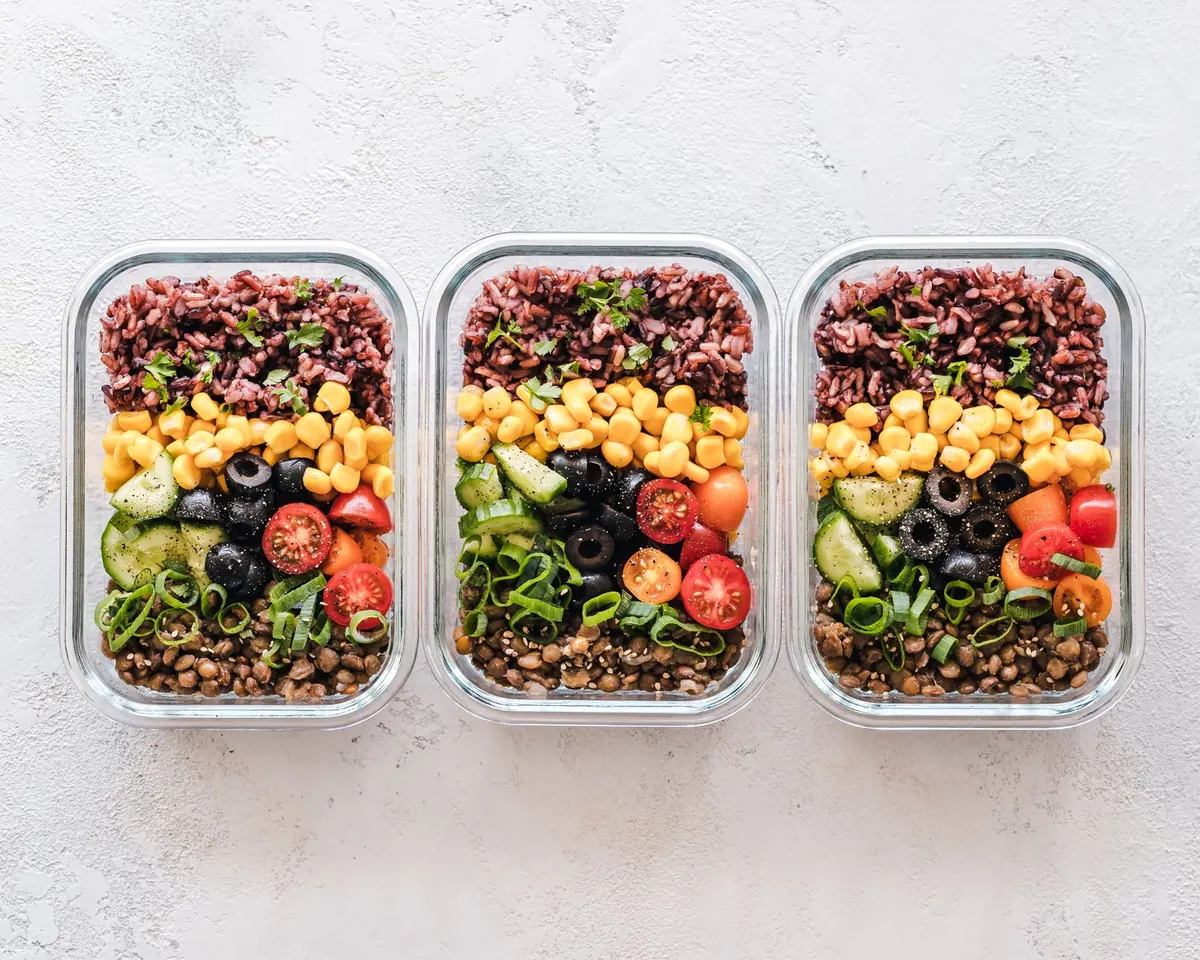
Two lifters, same program, same bodyweight, same grocery list. One eats three meals plus a snack between 7 a.m. and 8 p.m. The other drinks coffee until 1 p.m., trains at 5, and packs everything into an eight-hour window. Both can add muscle and drop fat. What differs is how the day feels — energy in the morning, hunger at four in the afternoon, and how much weight is on the bar during the last set. Here's how the two patterns actually compare.
What Each Pattern Really Means
Intermittent fasting isn't a diet; it's a schedule. You eat normally inside a window and skip food outside it. "Regular meals" is the opposite approach: spreading food across the day, usually three mains plus one or two snacks. Neither one changes the laws of energy balance on its own.
- 16:8 — fast for 16 hours, eat within 8, for example noon to 8 p.m.
- 14:10 — a gentler version and a reasonable first step if 16 hours sounds brutal.
- 18:6 or 20:4 — tighter windows, harder to hit protein and calorie targets, especially when gaining.
- 5:2 — five normal days, two low-calorie days. A different tool with different trade-offs.
Underneath both patterns, four things drive results: total calories, total protein, training quality, and sleep. Meal timing just makes those easier or harder to hit.
Energy and Appetite Through the Day
The first two weeks of fasting usually feel rough. Headaches, irritability, and a hollow feeling around hour 14 are common while your body adjusts to not getting food on demand. Most people who stick it out report steady energy in the late morning — often better focus than after a heavy breakfast.
Regular meals tend to produce fewer extremes. You rarely get ravenous, and afternoon energy stays level if the meals contain protein, fiber, and fat rather than mostly refined carbs. The trade-off is more planning: more meals means more decisions.
Hunger is personal. If skipping breakfast makes you sharp and calm, that's useful information. If it makes you snap at coworkers and think about toast for three hours, the schedule is fighting you, and no amount of discipline fixes a bad fit.
Muscle Building: Protein Total Beats Protein Timing
For building muscle, the daily protein total matters most. A common target is roughly 1.6 to 2.2 grams per kilogram of bodyweight per day for people training hard, spread across three to five doses of about 25 to 40 grams. Hitting the total is the priority; the spread is a nice-to-have.
This is where the two patterns pull apart in practice. Regular meals make protein easy to distribute — eggs at breakfast, chicken at lunch, yogurt in the afternoon, fish at dinner. Fasting compresses the work into fewer sittings, so an eight-hour window might mean two or three large meals, each carrying 50-plus grams of protein. That's doable, but it takes deliberate choices:
- Start the window with a protein-forward meal, not a pastry and coffee.
- Anchor each meal with a palm-sized-plus portion of meat, fish, eggs, dairy, tofu, or legumes.
- Use convenient options — Greek yogurt, cottage cheese, a whey shake — to close gaps.
- Keep a shake near the end of the window if you're short on the day's total.
If you're trying to gain size, tight windows can be a real obstacle: it's genuinely hard to eat 3,000 calories in six hours without feeling stuffed. Regular meals win on comfort here.
Workout Performance
This is where the difference shows up fastest, and it depends mostly on when you train.
Training fasted
Easy cardio, walking, and shorter sessions in the 30-to-45-minute range usually feel fine fasted, especially after a week or two of adaptation. Heavy squats, long intervals, and high-volume sessions are another story. Most people report lower top-end output and more perceived effort when they haven't eaten in 14-plus hours. If you train fasted, keep the hard work short, drink water, and consider a small protein serving beforehand — it won't undo the fast in any meaningful way.
Training fed
A meal containing carbs and protein one to three hours before training gives you fuel for repeated hard sets. If you're chasing personal bests, doing sprint work, or lifting for 90 minutes, eating beforehand is the safer bet. Keep it moderate in size and low in heavy fat and fiber so it doesn't sit in your stomach.
If you train in the evening, the two patterns converge. A noon-to-8 p.m. window puts two or three meals in your system before a 5 p.m. session — that's essentially the regular-meals approach with breakfast removed.
Which Pattern Fits Which Person
- Fasting tends to suit: people who dislike breakfast, prefer two or three large satisfying meals, snack at night, travel often, or find that a defined window removes grazing.
- Regular meals tend to suit: early-morning trainers, people who feel shaky or foggy when hungry, athletes with high training volume, anyone trying to gain weight, and those in physically demanding jobs.
One caution: if you're pregnant, managing diabetes, taking medication that affects blood sugar, or have a history of disordered eating, talk to a doctor or registered dietitian before restructuring when you eat. That's not a disclaimer to skim past — it's the part where professional advice genuinely matters.
How to Test Both on Yourself
You don't need to pick a side forever. Run a fair experiment instead:
- Fix the variables that matter. Keep protein and calories roughly the same in both phases, and don't change your training program mid-test.
- Give each pattern three to four weeks. The first week of fasting is adaptation noise, not a verdict.
- Track three things. Rate morning energy and workout quality from 1 to 10, note hunger spikes, and log your main lifts.
- Compare the data, not the vibe. If your squat is stalling and your energy ratings dropped, that's your answer regardless of how lean you feel.
- Keep what works, or blend it. Many people land in the middle: a 12-hour overnight fast, a late breakfast, and three solid meals.
Consistency with either pattern beats a perfect plan you abandon in ten days.
The best schedule is the one that lets you train hard, hit your protein, sleep well, and not spend the day thinking about food. Pick the version that makes those four things easiest, then adjust from there.
Photo: Ella Olsson / Pexels